

Mesaj göndermekten çekinmeyin
Tek ceket, EPDM lastik astar Özellikler •% 100 Yüksek Görsel Polyester ceket, yükse...
The fire hose and nozzle combination a crew deploys determines how much water reaches the fire, at what pressure, in what pattern, and with what reach. An incorrect selection — too small a hose diameter for a large structural fire, or a solid-bore nozzle used in a confined space — can leave a crew unable to knock down a fire or, worse, expose them to steam conversion injuries from applying too much water in an enclosed compartment. Experienced firefighters understand that hose and nozzle selection is not a routine administrative decision but a tactical one, made in the context of the fire type, building construction, available water supply, and crew size.
Modern fire departments carry multiple hose types and nozzle configurations on every apparatus precisely because no single combination is optimal for every scenario. A wildland interface unit faces completely different demands than an urban structural engine company, and a high-rise standpipe attack presents different hose and nozzle requirements than a residential room-and-contents fire. This guide covers the core categories of fire hose and nozzle types, their technical specifications, and the operational contexts in which each is the correct choice.
Attack hose is the primary hose used to deliver water directly onto a fire. It is designed to withstand high operating pressures — typically rated to service test pressures of 400 psi (27.6 bar) or higher — while remaining flexible enough for crews to advance through doorways, up stairwells, and around corners under fire conditions. Attack hose is available in 1-inch, 1.5-inch, 1.75-inch, and 2.5-inch (25 mm, 38 mm, 45 mm, and 65 mm) nominal diameters. The 1.75-inch diameter is the most widely used size in North American structural firefighting, balancing a manageable flow rate of 150–200 gallons per minute (GPM) with hose weight and handling characteristics that a two-person crew can manage effectively. The 2.5-inch line delivers 250 GPM or more and is reserved for large-volume fire suppression or as a backup supply line within a structure.
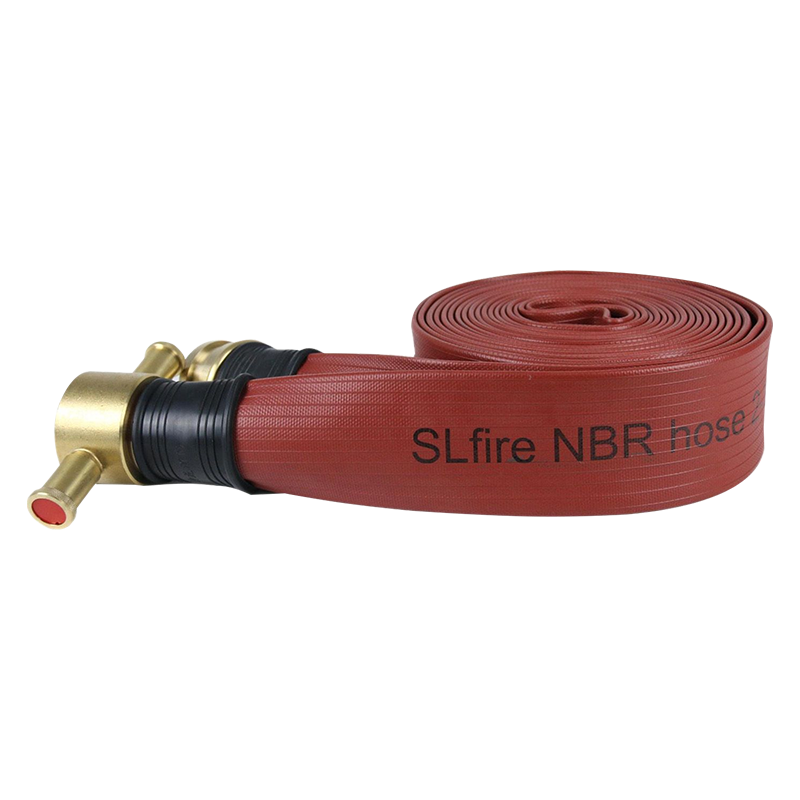
Supply hose — commonly called large diameter hose (LDH) in the United States — moves water from a hydrant or water source to the pumping apparatus rather than from the apparatus to the fire. Standard LDH diameters are 4 inches and 5 inches (100 mm and 125 mm), with 5-inch being the dominant size on modern American pumpers. LDH operates at relatively low pressures (typically 10–20 psi at the intake) compared to attack hose, because it relies on volume rather than pressure to supply the pump. A single 5-inch supply line can deliver 1,000 GPM or more over distances of several hundred feet, allowing engine companies to establish reliable water supply from distant hydrants without significant friction loss. LDH is constructed with a softer, less rigid jacket than attack hose since it does not need to withstand the high discharge pressures of the pump outlet.
Wildland fire hose is engineered for the specific demands of brush, grass, and forest firefighting, where crews may carry hose over rough terrain for extended distances and where the hose must resist abrasion from dragging across rocks, roots, and burned debris. The most common wildland hose sizes are 1 inch and 1.5 inch, significantly lighter per foot than structural attack hose of equivalent diameter. Wildland hose is typically constructed with a single cotton or synthetic jacket rather than the double-jacket construction of structural attack hose, reducing weight at the cost of some pressure rating. Working pressures for wildland hose are generally lower than structural attack hose — around 250–300 psi service test pressure — which is adequate given that wildland fire operations typically use lower pump discharge pressures and shorter hose lays.
Booster hose is a hard rubber or synthetic hose wound on a reel, typically in 3/4-inch or 1-inch diameter, used for small incipient fires, vehicle fires, and mop-up operations. Unlike woven jacket hose, booster hose does not need to be reloaded flat into the hose bed after use — it rewinds directly onto the booster reel. This makes it fast to deploy and retrieve for routine calls. However, its small diameter limits flow rate to approximately 30–60 GPM, making it entirely unsuitable for structural fire attack. Its appropriate use is for trash fires, small outdoor fires, and cooling operations where large volumes of water are not required.
High-rise hose packs are pre-connected assemblies of 2.5-inch or 1.75-inch hose carried by firefighters into high-rise buildings for connection to the building's standpipe system. Because elevator capacity and stairwell width limit how much hose can be practically carried above the ground floor, high-rise hose packs are typically 100–150 feet in length — shorter than standard attack hose loads on an apparatus. High-rise hose must be pressure-rated for standpipe operating pressures, which in older buildings or buildings without automatic pressure-reducing valves can exceed 250 psi at the outlet, requiring inline pressure-reducing devices to bring operating pressure to a safe and effective range for the nozzle.
| Hose Type | Diameter | Typical Flow Rate | Primary Use |
| Booster Hose | ¾ – 1 in (19–25 mm) | 30–60 GPM | Incipient fires, mop-up |
| Wildland Hose | 1 – 1.5 in (25–38 mm) | 30–95 GPM | Brush and forest fires |
| Attack Hose (1.75 in) | 1.75 in (45 mm) | 150–200 GPM | Structural interior attack |
| Attack Hose (2.5 in) | 2.5 in (65 mm) | 250–325 GPM | Large fires, exterior attack |
| Large Diameter Hose | 4 – 5 in (100–125 mm) | 500–1,500+ GPM | Hydrant supply to pump |
Smooth bore nozzles discharge water in a solid, coherent stream through a precision-machined orifice called a tip. Common tip diameters for handline use are 15/16 inch and 1 inch, delivering approximately 185 GPM and 210 GPM respectively at 50 psi nozzle pressure. Master stream smooth bore tips range from 1.25 inches to 2 inches in diameter for monitor and deck gun applications. The solid stream produced by a smooth bore nozzle carries maximum reach and penetrating power — it can reach the seat of a deep-seated fire through debris, punch through a burning roof, or reach upper-floor windows from the street. The stream also produces minimal steam conversion in enclosed compartments compared to fog patterns, reducing the risk of scalding the attack crew. The primary limitation is that smooth bore nozzles offer no pattern adjustment — they deliver a single fixed stream pattern, and the firefighter controls flow only by opening or closing the bail valve.
Combination nozzles allow the nozzle operator to select stream patterns ranging from a straight stream to a wide-angle fog by rotating the nozzle barrel. Intermediate positions produce narrow fog, wide fog, and a protective curtain pattern that can shield a crew from radiant heat. Combination nozzles are available in fixed-flow models (which deliver a set GPM at a specific operating pressure, typically 100 psi) and automatic (or constant-pressure) models, which maintain a consistent nozzle pressure across a range of flow rates by automatically adjusting the orifice size as the pump operator changes the supply. The versatility of combination nozzles makes them the most common nozzle type in general-purpose structural firefighting. However, the wide fog pattern used for ventilation or defensive attack requires significantly more water than a straight stream to achieve equivalent knockdown, and fog patterns disperse into steam rapidly in the heat of a room, potentially causing burns if used improperly in compartments with occupants or crew members.
Automatic nozzles use an internal spring-loaded mechanism to maintain a constant nozzle pressure — typically 100 psi — across a flow range of approximately 70 to 200 GPM depending on the model. This design compensates for changes in friction loss as hose lays are extended or additional lines are opened, allowing the pump operator to adjust engine pressure without the nozzle operator experiencing sudden surges or pressure drops. Automatic nozzles are popular in departments where rapid deployment by small crews is a priority, since they tolerate pump pressure variations that would cause problems for fixed-flow nozzles. The trade-off is reduced flow efficiency at the lower end of the operating range — an automatic nozzle flowing 70 GPM at 100 psi is consuming the same pump energy as one flowing 150 GPM, which represents poor water use efficiency when maximum flow is available.
Foam nozzles are designed to aspirate air into a foam solution to produce finished firefighting foam for Class B fire suppression (flammable liquid fires) and Class A foam application for structural and wildland fires. Air-aspirating foam nozzles draw air through ports at the nozzle throat as the solution passes through, producing a bubble structure that is significantly more stable than foam generated through a standard combination nozzle. High-back-pressure foam nozzles are used with around-the-pump or inline eductors to deliver foam solution at higher pressures. Selecting the correct foam nozzle requires matching the nozzle to the eductor percentage setting and foam concentrate type — a mismatch between these components produces poor-quality foam that breaks down rapidly and fails to suppress vapour from a burning liquid surface.
Master stream devices deliver high-volume water flows — typically 500 GPM to 2,000 GPM or more — for defensive firefighting operations where interior attack is no longer tenable, for exposure protection of adjacent structures, and for rapid knockdown of large commercial or industrial fires. Deck guns (also called turret pipes or deluge guns) are permanently mounted on the apparatus and connected directly to the pump discharge manifold. Portable monitors are free-standing ground devices that can be positioned independently of the apparatus and supplied by two or more 2.5-inch or LDH supply lines.
Master stream nozzles are either smooth bore tips (for maximum reach and penetration) or combination fog nozzles (for flexibility in pattern and foam capability). Smooth bore master stream tips in the 1.5-inch to 2-inch range produce solid streams capable of reaching 80–100 feet horizontally at standard operating pressures of 80 psi at the tip. These devices are not precision tools — they move large volumes of water into or onto a fire from a distance — but their ability to deliver water volumes impossible from a handline makes them essential for large-fire scenarios.
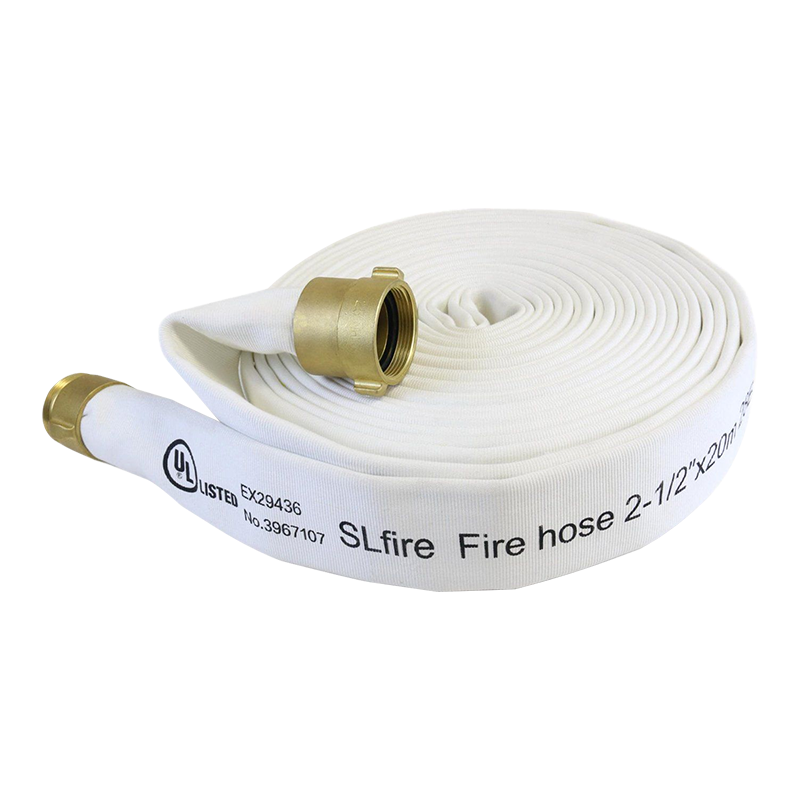
Tek ceket, EPDM lastik astar Özellikler •% 100 Yüksek Görsel Polyester ceket, yükse...
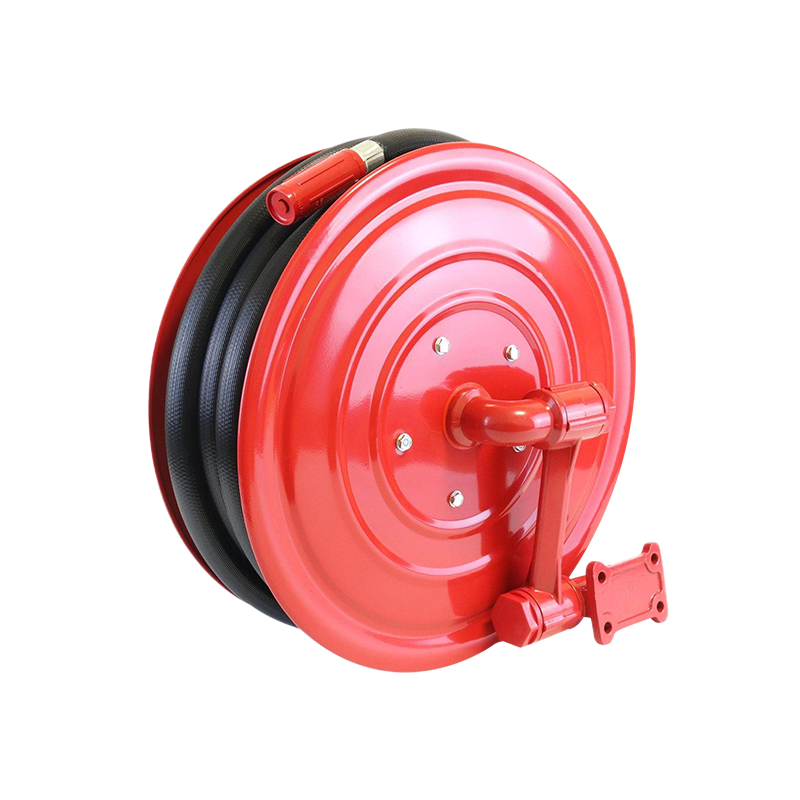
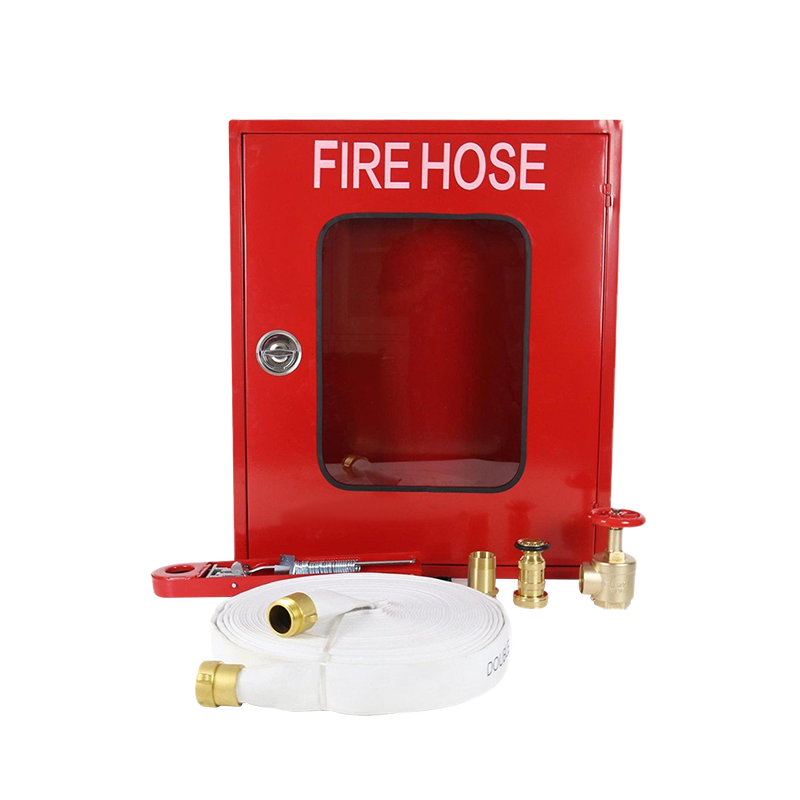
Yangın dolapları yangın hortumu, valf ve diğer yangın söndürme ekipmanlarını barındıracak şekilde...
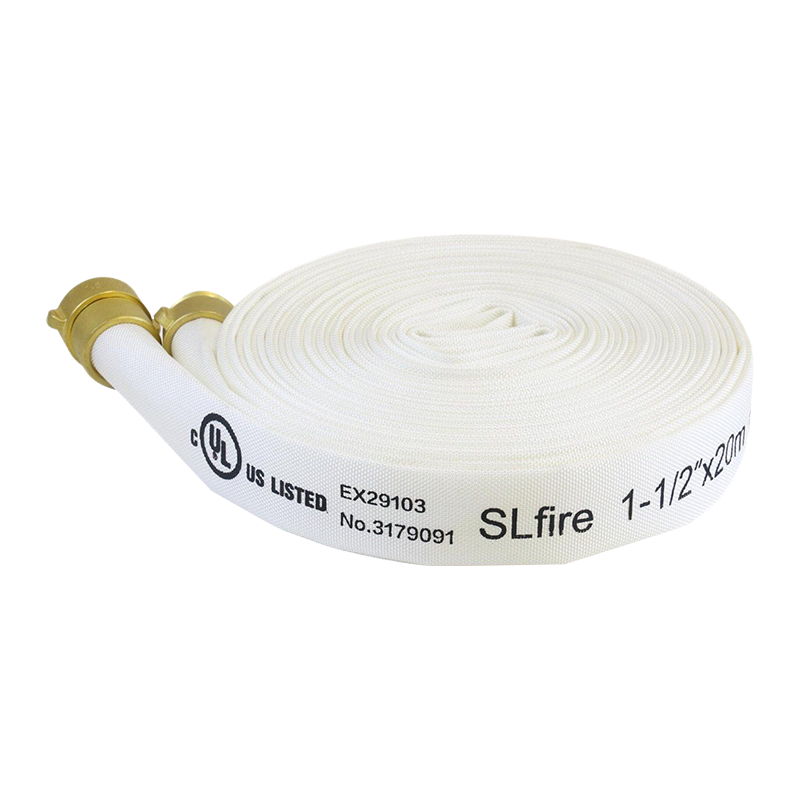
Tek ceket, TPU astarı • Yüksek kiralık polyester iplik, Twill Dokuma/Düz Dokuma'da Da...
Nitril kaplı hortum • Nitril/TPR,% 100 yüksek sadınlıklı polyester iplik takviyesi ile kap...
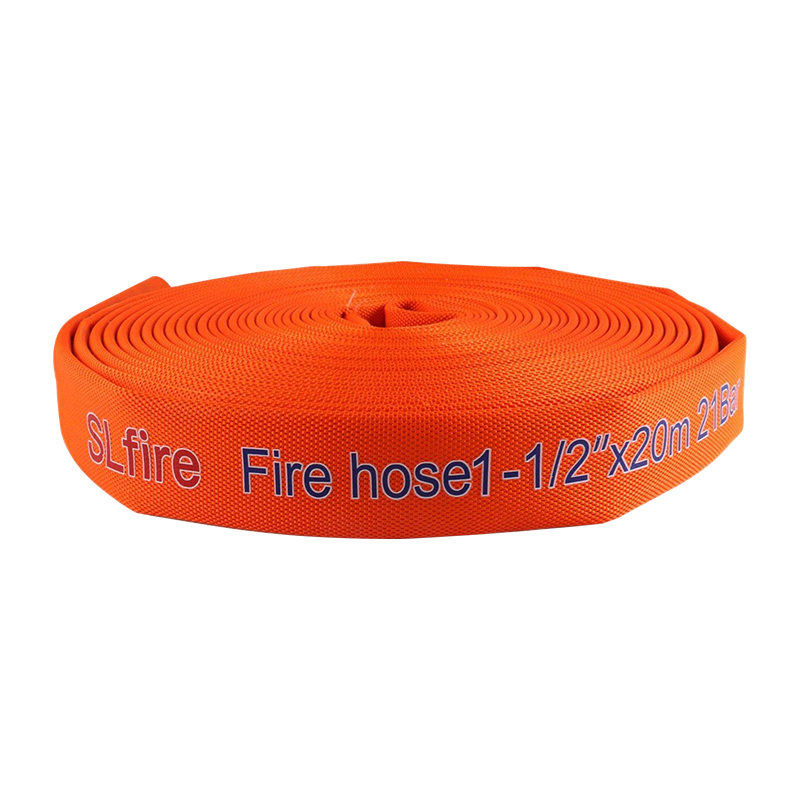
Tek ceket, TPU astarı • Yüksek kiralık polyester iplik, Twill Dokuma'da Dairesel Doku...
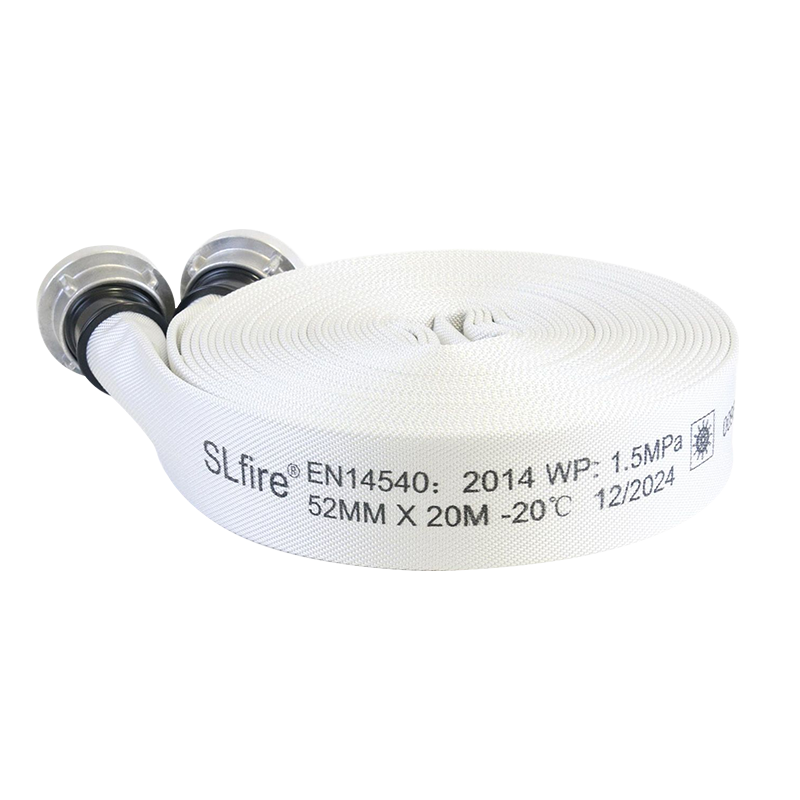
Deniz hortumu Tek ceket, PVC astar •% 100 Yüksek Görsel Polyester İplik, Twill Doku...
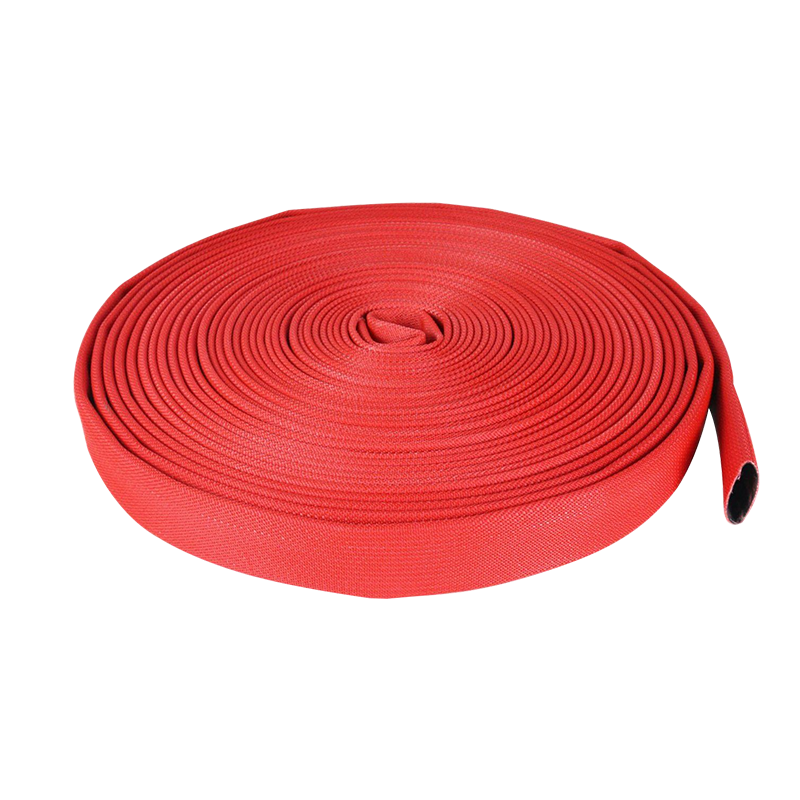
Deniz hortumu Tek ceket, PVC astar, PU kaplamalı •% 100 Yüksek Görsel Polyester İpl...
 Bizi ara
+86 159-5116-9511
Desteğe ihtiyacım var
Merkez
No.58, Kechuang Yolu, Siesiang Street Tıbbı Gaoxin Bölgesi Taizhou City, Jiangsu Eyaleti

When the engine returns to the station after a working fire, the work is not done. The attack line is flushed, drained, and then rolled with a straight hose roll before anyone sits down. This techniq...
Copyright © Taizhou Shenlong Fire Science and Technology Co., Ltd. All Rights Reserved.
 Yangın Hortumu Üreticileri, Yangın Hidrant Hortum Fabrikası